Inflammaging is a chronic, low-grade inflammatory state that builds in the skin over time, compromising its structure, barrier function, and capacity for renewal. The process runs below the threshold of visible symptoms, amplified by hormonal shifts, UV exposure, and environmental stress. It is now considered one of the central drivers of premature skin aging. Skincare that stabilizes the skin barrier and strengthens cellular protective mechanisms can measurably reduce this inflammatory burden.
Many of the factors that accelerate skin aging are well documented: UV radiation, oxidative stress, hormonal changes, digital exposure. Less widely understood is the mechanism that connects them: inflammaging. A process that operates below the threshold of perception, altering skin from within long before visible signs appear.
Inflammaging is now regarded as one of the central drivers of premature skin aging. Understanding how this process works also explains why conventional skincare often falls short, and why skin needs more than short-term effects.
What Does Inflammaging Mean for Skin?
Inflammaging is a chronic, low-grade inflammatory state that accumulates in various tissues with age, including the skin. The term combines inflammation and aging and was first described in 2000 by immunologist Claudio Franceschi.
Unlike acute inflammation, inflammaging produces no visible symptoms. Certain inflammatory signaling molecules remain persistently active at low levels, without triggering classic signs such as redness or swelling.
This subclinical activity strains cells, slows regeneration, and accelerates the breakdown of collagen and elastin. The skin gradually loses density, firmness, and evenness. The process is slow, but measurable.
Why Is Skin Particularly Affected?
Because skin is the body's largest immune organ and in constant contact with external stressors. UV radiation, particulate matter, HEV light from screens, and sleep deprivation all generate oxidative stress that activates inflammatory signaling pathways. Sustained neural overstimulation from digital and psychological sources can amplify these processes as well (more in our articles on Digital Aging and Cortisol and Skin).
But skin is not merely a target. When the barrier is compromised, skin cells release inflammatory signaling molecules that enter the bloodstream and reach the entire body. For an organ spanning nearly two square meters, the cumulative effect is significant. A clinical pilot study has shown that targeted improvement of epidermal barrier function can measurably reduce systemic inflammatory markers. Skincare that stabilizes the barrier does not work at the surface alone.
Recent research also reveals that the skin has its own neuro-immune network. Under sustained stress, neural signals can directly activate and maintain inflammatory processes.
Over time, the skin loses its ability to compensate. Micro-inflammation becomes chronic, the barrier grows more permeable (the skin dries out faster), and cell communication becomes less efficient. The result: skin that is more sensitive, more reactive, ages faster, and whose regenerative capacity noticeably declines.
The Role of Hormonal Changes
Inflammaging intensifies as hormonal protection wanes. Starting in the mid-thirties, estrogen levels begin to decline gradually for many women, a process that accelerates during perimenopause. This matters because estrogen has a direct anti-inflammatory effect in the skin: it stabilizes barrier function, supports collagen synthesis, and modulates immune responses.
Current research also shows that estrogen slows cellular aging. When cells age, they stop dividing and instead begin releasing more inflammatory signaling molecules. As long as estrogen is present in sufficient amounts, this process is held in check. Once hormonal protection declines after menopause, susceptibility to micro-inflammation rises, and the skin actively produces more inflammatory signals.
Hormonal changes and inflammaging are not separate processes. They reinforce each other. For women from their mid-thirties onward, this means the skin needs protection not only from external stressors, but also support for internal inflammation regulation (discussed in more detail in our article on Estrogen and Skin).
How Can Skincare Address Inflammaging?
An effective approach starts by restoring the skin's own regulatory and repair mechanisms. Advanced formulations work on multiple levels:
Strengthening Cellular Stress Resistance
The skin has an endogenous protective program that activates under oxidative stress: it upregulates antioxidant enzymes, stabilizes proteins, and supports DNA repair. With age, this stress response slows. Targeted actives can reactivate this protective program, strengthening cellular resilience against inflammatory triggers.
Reducing Oxidative and Urban Stress
Particulate matter, free radicals, and other environmental aggressors attack the skin barrier daily. Antioxidant protective complexes and barrier-strengthening substances can reduce the penetration of these stressors and make skin more resilient against everyday exposure.
Modulating Neural Overreaction
The skin communicates closely with the nervous system. When it receives persistent stimuli, it overreacts with redness, irritation, or a feeling of tightness. Neuro-cosmetic actives can regulate this signal transmission and calm the skin without suppressing its natural responsiveness.
What Does the Inflammaging Research Mean for Skincare?
That skin aging is not a passive process of time, but the result of sustained biological activity. What matters is whether the skin can respond to daily stimuli appropriately, or whether it remains trapped in a state of chronic micro-inflammation.
Formulation strategies built on these findings increasingly address mechanisms that stabilize cellular communication, reduce oxidative stress, and regulate inflammatory signals before visible damage occurs. The goal is not short-term effects, but something closer to a training concept for the skin: care that strengthens natural regeneration and protective processes, rather than replacing them.
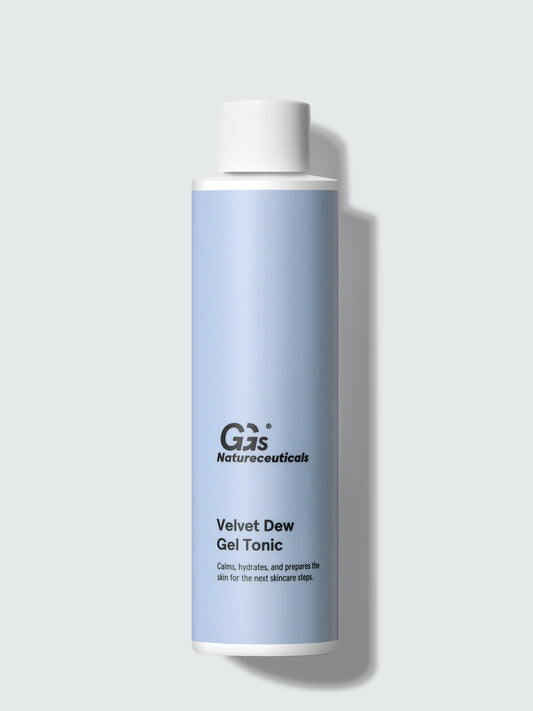
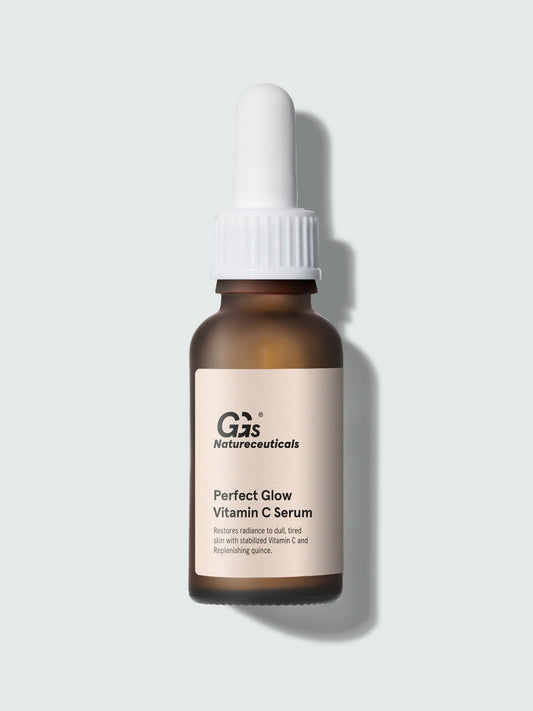
The Adaptive Defense System by GGs Natureceuticals follows exactly this principle. It uses synergistically combined plant-based and microalgae-derived actives that work across multiple biological layers. The use of microalgae actives is deliberate: over hundreds of millions of years, microalgae have evolved their own defense mechanisms against UV radiation, oxidative stress, and environmental pressures. Some produce exopolysaccharides, envelope substances that function as a physical protective layer. Others generate antioxidant pigments that neutralize free radicals. Still others can activate the body's own cellular protection programs to regulate oxidative stress and support cellular repair.
These properties can be selectively transferred into formulations, and they form the foundation of the four functional layers of the Adaptive Defense System:
Inflammaging is a scientifically established phenomenon that explains why skin aging is driven not simply by time, but above all by sustained exposure.
Hormonal changes, environmental factors, and stress-related stimuli compound one another.
Biologically grounded formulations can slow this process in a targeted way: by protecting against oxidative stress, stabilizing the skin barrier, and regulating neural signals. Early study results suggest that skincare improving barrier function may not only act locally, but also contribute to reducing the body's overall inflammatory load.
The goal is to restore the skin's capacity for self-regulation, so it can respond to daily stressors without tipping into a chronic inflammatory state.
Frequently Asked Questions About Inflammaging
What exactly is inflammaging?
Inflammaging is a chronic, low-grade inflammatory state that builds in the skin with age. Unlike acute inflammation, it produces no visible symptoms, but over time it compromises skin structure, barrier function, and the capacity for renewal.
At what age does inflammaging begin?
Inflammaging develops gradually. From the mid-thirties onward, amplified by hormonal shifts and cumulative environmental exposure, the process becomes increasingly relevant for many women, even though visible signs may not appear until later.
Can inflammaging be reversed?
Inflammaging cannot be fully reversed, but it can be slowed in a targeted way. Reducing oxidative stress, stabilizing the skin barrier, and supporting cellular repair processes can significantly lower the inflammatory burden.
Can diet influence inflammaging?
Yes, diet plays a role. An antioxidant-rich, anti-inflammatory diet (high in omega-3 fatty acids, polyphenols, and micronutrients) can lower systemic inflammatory load. Skincare and nutrition work complementarily, from the outside and from within.
What distinguishes inflammaging from normal skin aging?
Chronological skin aging is genetically determined and progresses relatively evenly. Inflammaging, by contrast, is amplified by external factors (UV, stress, environment, hormones) and accelerates the aging process through inflammatory signaling pathways. Addressing these factors early can make a noticeable difference.
Agrawal R, Hu A, Bollag WB. The Skin and Inflamm-Aging. Biology. 2023; 12(11): 1396.
doi.org/10.3390/biology12111396
Slominski AT et al. Neuroendocrine signaling in the skin with a special focus on the epidermal neuropeptides. Am J Physiol Cell Physiol. 2022; 323: C1757–C1776.
doi.org/10.1152/ajpcell.00147.2022
Karpuzoglu E, Holladay SD, Gogal RM Jr. Inflammaging: triggers, molecular mechanisms, immunological consequences, sex differences, and cutaneous manifestations. Front Immunol. 2025; 16: 1704203.
doi.org/10.3389/fimmu.2025.1704203